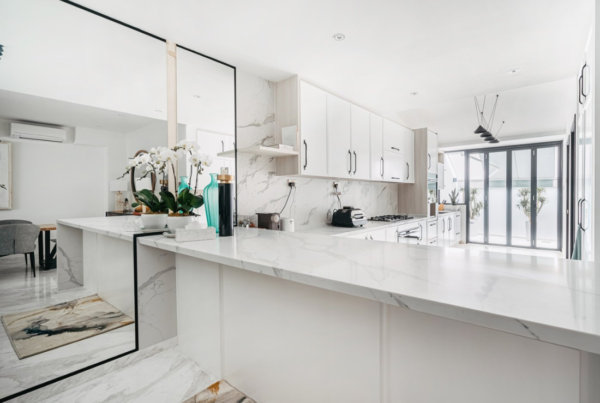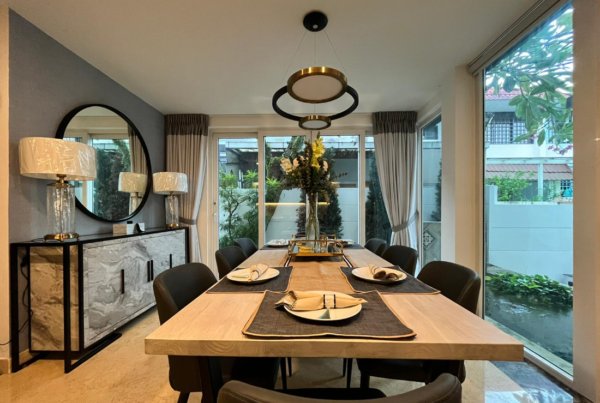
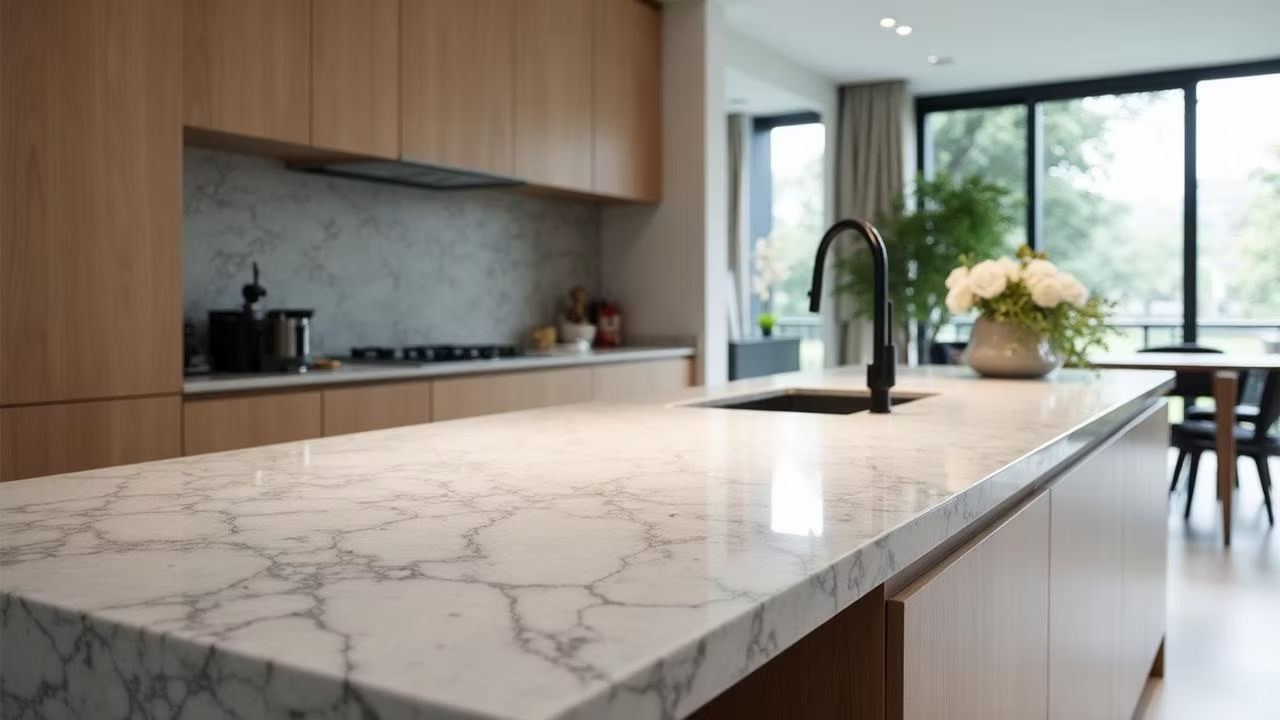
The kitchen countertop is one of the most frequently used surfaces in any home. From meal preparation and hot cookware to hosting family and friends during festive occasions, choosing the right countertop material is one of the most important decisions during a kitchen renovation.
While there are many options available, including granite, marble, and solid surface materials, most Singapore homeowners eventually narrow their choices down to Quartz and Sintered Stone. This article compares the differences between these two materials and helps you determine which is better suited for your kitchen.
What Are Quartz and Sintered Stone?
Quartz
Quartz countertops are engineered surfaces made from 90–95% natural quartz crystals combined with resin binders and pigments. The result is a dense, non-porous surface that is resistant to stains and relatively easy to maintain.
Because the colour and pattern are controlled during manufacturing, quartz offers a consistent and uniform appearance that suits modern and minimalist kitchens. Many homeowners choose quartz because it delivers the luxurious appearance of marble without the unpredictability of natural stone patterns.
Sintered Stone
Sintered Stone is produced by compacting natural minerals under extreme heat and pressure. This process creates a dense, resin-free slab that replicates the appearance of natural stone, marble, or concrete while overcoming many of their limitations.
Without resin, Sintered Stone offers excellent resistance to heat, UV rays, stains, and chemicals. Its veining can extend throughout the slab, creating a full-body appearance that closely resembles premium natural stone, even when viewed from the edges.

Performance Comparison: Quartz vs Sintered Stone
Heat Resistance
- Quartz: Contains resin binders, which limits heat resistance. Placing hot pots and pans directly on the surface may cause discolouration or damage over time.
- Sintered Stone: Manufactured at extremely high temperatures, making it highly heat resistant and suitable for active kitchens where hot cookware is frequently used.
Scratch, Stain and Chemical Resistance
- Quartz: Non-porous, stain-resistant, and reasonably scratch-resistant for everyday use.
- Sintered Stone: Extremely resistant to scratches, stains, chemicals, acids, oils, sauces, and alkaline substances.
Longevity in Singapore’s Climate
- Quartz: Prolonged exposure to direct sunlight may cause fading or yellowing due to the resin content.
- Sintered Stone: UV-resistant and unaffected by moisture, making it well-suited to Singapore’s humid climate.
Cost
- Quartz: Suitable for Scandinavian, minimalist, and modern designs. Approx. $90–$150 per foot run.
- Sintered Stone: Offers greater visual depth and realism but requires more specialised installation. Approx. $120–$230 per foot run.
Pros and Cons
| Quartz | Sintered Stone | |
|---|---|---|
| Pros |
|
|
| Cons |
|
|
Common Misconceptions and Mistakes to Avoid
- “Quartz is maintenance-free forever.” While easy to maintain, the resin can degrade over time if exposed to excessive heat or harsh chemicals.
- “Sintered Stone is unbreakable.” Although extremely durable, heavy impacts can still cause chips or cracks.
- Do not choose solely based on appearance. Consider how you use your kitchen daily and select the material that best matches your lifestyle.
When Should You Choose Quartz or Sintered Stone?
Choose Quartz If:
- You cook occasionally.
- You prefer a clean and uniform appearance.
- Budget is a key consideration.
- Your kitchen receives little direct sunlight.
- You do not mind using trivets for hot cookware.
Choose Sintered Stone If:
- You cook frequently.
- You want a countertop that lasts 10–15 years with minimal maintenance.
- Your kitchen receives direct sunlight.
- You require maximum resistance to stains and chemicals.
Conclusion
Both Quartz and Sintered Stone are excellent countertop materials. The best choice depends on your cooking habits, maintenance preferences, budget, and kitchen environment. Choose the material that best fits your daily lifestyle and long-term needs.