
Ever stepped into a newly renovated home and noticed a strong chemical smell? That smell is often formaldehyde. Whether you love it or hate it, you may soon stop noticing it altogether in new homes.
From 1 January 2026, Singapore’s National Environment Agency (NEA) will enforce stricter regulations under the Environmental Protection and Management Act. Paint manufacturers and importers must ensure formaldehyde content does not exceed 0.01% by weight.
Source:
https://www.channelnewsasia.com/singapore/formaldehyde-paints-health-concerns-ban-grace-fu-4168436
What Is Formaldehyde and Why Is It Common in Renovation Materials?
Formaldehyde is a naturally occurring organic compound, but it is commonly used in interior renovation materials as a binding agent for engineered wood products such as plywood, particleboard, MDF (Medium-Density Fibreboard), and laminates.
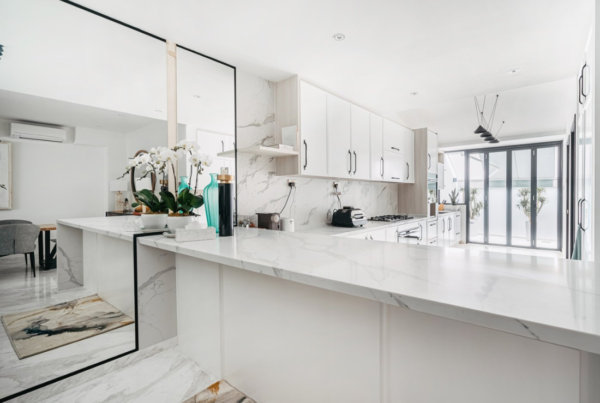
These materials are widely found in kitchen cabinets, wardrobes, TV consoles, bed frames, and built-in shelving.
The concern is that engineered wood products can release formaldehyde gas into the air over time. This process, known as off-gassing, can continue for months or even years after installation. Long-term exposure has been associated with respiratory irritation and other health concerns.
This is one of the key reasons why Singapore has introduced stricter formaldehyde regulations to improve indoor air quality and protect public health.
Why Low-Formaldehyde Materials Matter in Singapore
Growing Demand for Healthier Homes
More Singapore homeowners are prioritising low-formaldehyde materials due to several factors:
- Smaller living spaces can concentrate indoor pollutants.
- Singapore’s warm and humid climate can accelerate off-gassing.
- Work-from-home arrangements have increased the amount of time spent indoors.
- Awareness of healthy home design continues to grow.

Health Risks of High-Formaldehyde Materials
Potential Effects of Long-Term Exposure
- Eye, Nose and Throat IrritationExposure may cause burning eyes, excessive tearing, and irritation of the nose and throat.
- Allergic Reactions and Respiratory IssuesChildren, elderly individuals, and people with asthma may be more sensitive to poor indoor air quality and formaldehyde exposure.
- Headaches and Difficulty ConcentratingFormaldehyde exposure has been linked to fatigue, dizziness, headaches, and reduced concentration, particularly in enclosed environments.
Benefits of Low-Formaldehyde Materials
Improved Indoor Air Quality
Singapore’s humid climate can accelerate the release of VOCs (Volatile Organic Compounds), including formaldehyde. Choosing low-formaldehyde materials helps create a healthier indoor environment with fewer irritants and improved comfort.
Safer for Children, Elderly Family Members and Pets
Young children, seniors, and pets are generally more sensitive to indoor pollutants. Low-formaldehyde materials help reduce exposure to harsh chemical emissions and support a healthier living environment.
Better Material Stability and Durability
Many low-formaldehyde engineered wood products are manufactured with higher density and improved moisture resistance. This can help reduce warping, swelling, and delamination in Singapore’s humid conditions.
Where Should Homeowners Use Low-Formaldehyde Materials?
Wardrobes
Clothing, bedsheets, and fabric items can absorb odours over time. Using low-formaldehyde materials helps reduce unwanted chemical smells in enclosed storage spaces.
Kitchen Cabinets
Heat and humidity can accelerate off-gassing. Low-formaldehyde cabinetry helps reduce exposure to indoor pollutants in areas where food is prepared and stored.
TV Consoles and Feature Walls
Large carpentry installations have greater surface areas, which may contribute to higher emissions. Choosing low-formaldehyde materials can help minimise indoor air pollution.
Study Areas and Home Offices
Many people spend long hours working or studying at home. A healthier indoor environment can improve comfort and support better focus throughout the day.
Children’s Rooms and Elderly Bedrooms
Low-formaldehyde materials are especially important in spaces occupied by individuals who may be more vulnerable to airborne pollutants.
How to Reduce VOCs After Renovation
Even When Using Low-Formaldehyde Materials
While choosing safer materials is important, proper ventilation remains essential after renovation.
- Open windows daily during the first two to three weeks after renovation.
- Use air purifiers to improve indoor air quality.
- Avoid keeping rooms constantly sealed with air-conditioning.
- Allow built-in carpentry and furniture to air out before fully moving in.
Choosing low-formaldehyde materials is not just about improving your home today. It is about creating a healthier living environment for the years ahead.
By reducing exposure to harmful VOCs and improving indoor air quality, homeowners can create safer, more comfortable spaces for their families. A healthier home is not a luxury. It is the foundation of everyday wellbeing, and choosing the right materials is one of the most effective ways to achieve it.