Choosing the right location for your restaurant, café, bar, cloud kitchen, or food outlet is one of the most important decisions you’ll make. What many business owners do not realise is that location affects far more than customer traffic and rental costs. It also directly impacts your F&B renovation budget, approval requirements, construction timeline, and operational setup.
Different property types across Singapore come with different regulatory requirements, landlord restrictions, and technical challenges. Understanding these factors early can help avoid costly delays, redesigns, and unexpected renovation expenses.
Shophouse F&B Renovation
Conservation shophouses remain one of the most desirable locations for F&B businesses in Singapore due to their unique character, heritage appeal, and strong street presence. Popular districts such as Chinatown, Tanjong Pagar, Kampong Glam, and Joo Chiat continue to attract restaurants, cafés, and specialty dining concepts looking to create a distinctive customer experience.
However, renovating an F&B shophouse often involves additional complexities compared to modern commercial units. Many shophouses are subject to conservation guidelines that restrict alterations to external facades and certain structural elements. Existing building layouts may also present challenges when integrating modern kitchen equipment, exhaust systems, grease management solutions, and air-conditioning infrastructure.
One of the most common challenges in shophouse restaurant renovation is routing kitchen exhaust ducts. Limited ceiling space, neighbouring tenants, and building conservation requirements can significantly affect the design approach. Structural openings, floor loading considerations, and facade modifications may also require approval from multiple authorities.
A successful shophouse F&B renovation requires careful planning, early technical assessments, and close coordination between designers, contractors, landlords, and regulatory agencies.
Mall and Shopping Centre F&B Renovation
Shopping malls offer built-in foot traffic, strong visibility, and a controlled operating environment, making them attractive locations for many food and beverage businesses. However, mall renovations typically involve an additional layer of management oversight that can significantly influence project timelines.
Before renovation works can begin, tenants are usually required to submit detailed design drawings, mechanical and electrical plans, kitchen layouts, and shopfront proposals for approval by mall management. Each mall operator has its own design guidelines covering signage specifications, facade treatments, flooring transitions, lighting standards, and operational requirements.
Construction activities are also often restricted to specific working hours to minimise disruption to shoppers and neighbouring tenants. Site access, material deliveries, waste disposal, and contractor permits must be carefully coordinated with management teams.
For F&B operators planning a mall fit-out, renovation schedules should account for both regulatory approval timelines and landlord approval processes. Early engagement with mall management can help streamline submissions and reduce the risk of project delays.
HDB Coffeeshop and Void Deck F&B Renovation
HDB commercial spaces, including coffeeshops and void deck units, remain important locations within Singapore’s neighbourhood dining ecosystem. These premises often benefit from established residential catchment areas and consistent foot traffic from nearby residents.
Renovating an HDB-based F&B outlet requires compliance with specific requirements relating to permitted usage, exhaust systems, grease management, accessibility, and public safety. Depending on the business concept, additional considerations may apply for food preparation areas, waste management facilities, and ventilation systems.
Space limitations are often a key factor in HDB commercial renovations. Efficient kitchen planning becomes essential to maximise productivity while maintaining compliance with operational requirements and food safety standards.
Working with an experienced F&B renovation contractor familiar with HDB regulations helps ensure that design proposals align with submission requirements from the outset, reducing the likelihood of costly revisions later in the project.
Standalone and Street-Level F&B Renovation
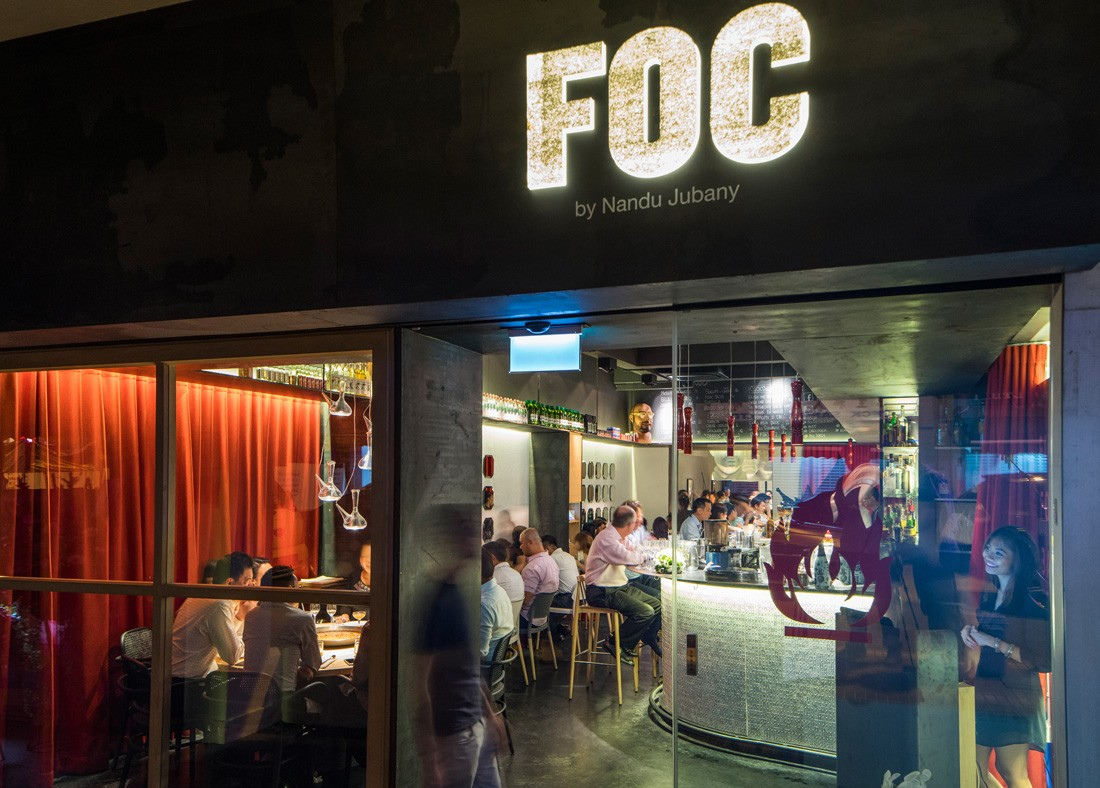
Street-level restaurants, cafés, bars, and standalone commercial units generally offer greater flexibility compared to shopping mall environments. Operators often have more freedom in terms of branding, facade design, customer flow planning, and outdoor seating arrangements where permitted.
Despite this flexibility, standalone F&B renovations still require careful attention to regulatory compliance. Kitchen exhaust systems, fire safety provisions, grease traps, food preparation areas, and ventilation requirements must be designed in accordance with applicable regulations.
External works frequently become a major consideration for street-facing outlets. Signage installations, facade upgrades, awnings, outdoor dining areas, and exhaust discharge locations may be subject to landlord approval and local authority requirements. Nearby residential developments and neighbouring businesses can also influence design decisions, particularly where noise, odour, or ventilation concerns arise.
The advantage of standalone units is the opportunity to create a highly customised customer experience, but this freedom must be balanced against practical operational and compliance considerations.
Why Location Matters for Your F&B Renovation Budget
Many F&B operators focus primarily on renovation costs per square foot, but location can have an equally significant impact on overall project expenditure. A 1,500-square-foot restaurant in a conservation shophouse may require a completely different level of investment compared to a similarly sized unit in a shopping mall or HDB premises.
Factors that influence renovation costs include:
- Existing mechanical and electrical infrastructure
- Kitchen exhaust and ventilation requirements
- Fire safety system upgrades
- Structural modification requirements
- Landlord and management compliance requirements
- Submission and approval complexity
- Site access restrictions
- Working hour limitations
- Building age and condition
Understanding these location-specific considerations during the planning stage allows business owners to establish realistic budgets, avoid unexpected expenses, and achieve faster project completion.
Working with an Experienced F&B Renovation Contractor
Every F&B location presents unique challenges that affect design, compliance, and construction. Whether you are opening a café in a conservation shophouse, fitting out a restaurant in a shopping mall, upgrading an HDB coffeeshop stall, or renovating a standalone dining concept, working with an experienced F&B renovation contractor can help simplify the process.
A contractor familiar with Singapore’s regulatory environment can identify potential issues early, coordinate submissions efficiently, and develop renovation solutions that balance operational needs, customer experience, and compliance requirements. This ultimately reduces project risk and helps your business open on schedule.