Ask any Singapore homeowner what scares them most about renovation, and it’s rarely the contractor, the timeline, or even the dust. It’s the fear of ending up with a home that looks exactly like what they paid for – a “budget” home renovation that reads as budget from the moment guests walk through the door.
That fear is understandable, but it’s also outdated. In 2026, with material costs, labour rates, and BTO/resale volumes all climbing across Singapore, “affordable renovation” has stopped being a euphemism for cheap-looking. It has become its own design discipline – one built on knowing exactly where to spend, where to save, and which styles were practically invented for working within a budget.
This guide walks through what a realistic renovation budget looks like in Singapore today, where your dollars actually go, what you can safely cut without regret, what you should never cut, and which interior design styles naturally lend themselves to affordable execution versus which ones demand a lavish budget to look right.
Why “Budget” Doesn’t Have to Mean “Cheap”
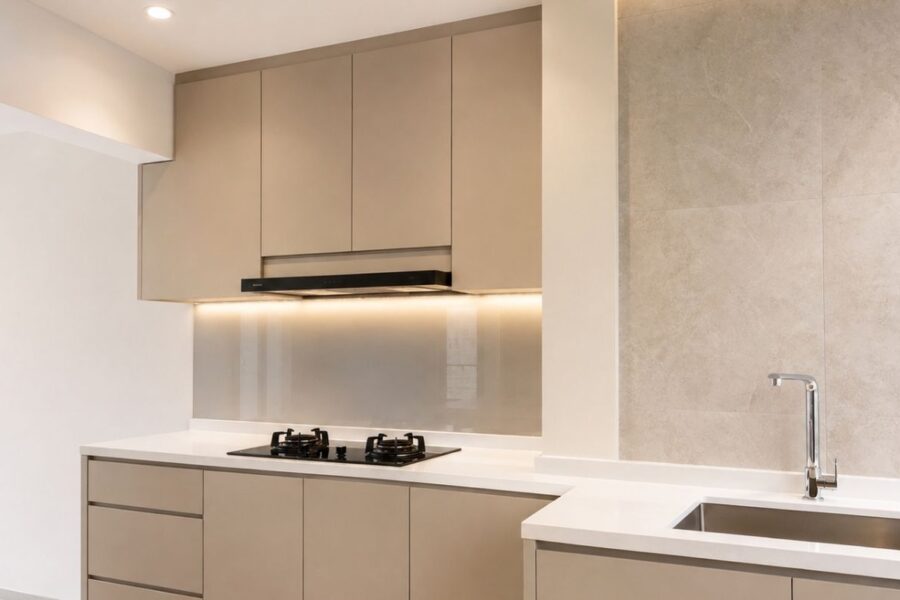
The look of an expensive home isn’t really about how much was spent – it’s about consistency. A home looks lavish when every surface, colour, and material decision feels intentional and coordinated. A home looks cheap when decisions feel mismatched, rushed, or reactive – mismatched cabinet finishes, clashing lighting temperatures, tiles that don’t quite align with the wall colour, storage that was clearly an afterthought.
This is actually good news for budget-conscious homeowners. A disciplined, well-planned $35,000 renovation with a tight, consistent material palette will almost always look more expensive than a scattershot $70,000 renovation with no unifying design logic. Budget is a constraint. Cheap is a look. The two are not the same thing, and good design is precisely the skill of making the first not lead to the second.
What Renovation Actually Costs in Singapore Right Now
Before you can budget intelligently, you need an honest picture of the market. Renovation costs in Singapore have risen steadily since 2023, driven by material inflation (cement, steel, timber), labour costs, and sustained demand from both new BTO completions and resale transactions.
Here’s a realistic 2026 breakdown by flat type:
| Flat Type | Basic / Budget Renovation | Mid-Range Renovation | Full Customisation |
|---|---|---|---|
| 2-Room BTO | $15,000 – $25,000 | $25,000 – $32,000 | $32,000+ |
| 3-Room BTO/Resale | $25,000 – $45,000 | $45,000 – $60,000 | $60,000 – $67,000+ |
| 4-Room BTO/Resale | $35,000 – $50,000 | $50,000 – $65,000 | $65,000 – $80,000+ |
| 5-Room BTO/Resale | $44,000 – $65,000 | $65,000 – $85,000 | $85,000 – $100,000+ |
| Executive HDB | $60,000 – $84,000 | $84,000 – $105,000 | $105,000 – $120,000+ |
| Condo (Resale) | $50,000 – $80,000 | $80,000 – $105,000 | $105,000+ |
| Landed Property | $120,000+ | Varies widely | $250,000 – $500,000+ |
A few things worth noting about resale flats specifically: they almost always cost more than BTOs of the same size, because of hacking, rewiring, waterproofing, and dealing with existing (often outdated) infrastructure that a brand-new BTO simply doesn’t have. If you’re buying resale, budget an extra 15–30% over BTO figures for the same flat type.
Where does the money actually go? For a typical mid-range 4-room HDB renovation, the rough breakdown looks like this:
- Carpentry (cabinets, wardrobes, TV console, shoe cabinet): 25–35% – almost always the single biggest line item
- Tiling, flooring, and wet works (kitchen, bathrooms): 15–20%
- Electrical and lighting: 8–12%
- Painting and wall finishes: 5–8%
- Plumbing and sanitary fittings: 5–10%
- Hacking and masonry (if any): 5–15%, highly variable
- False ceiling: 5–8%
- Design and project management fees: 10–15%
Carpentry dominating the budget is actually your biggest lever for savings, which we’ll get into below.
Budgeting for Your Renovation: A Practical Framework
Step 1: Set a total ceiling, then work backward
Most homeowners make the mistake of budgeting item by item and adding it all up at the end – which is how a “modest” renovation quietly balloons past $70,000. Instead, decide your absolute ceiling first (including furniture, appliances, and buffer), then allocate downward.
A workable split for most HDB renovations:
- 70–75% — core renovation works (carpentry, tiling, electrical, painting, wet works)
- 10–15% — contingency buffer for hidden costs (see below)
- 10–15% — furniture, appliances, curtains, and styling
Step 2: Always keep a contingency buffer
Set aside 10–15% above your agreed quotation for unexpected works. This is standard industry practice, not a sign that something went wrong. In resale flats especially, hacking open a wall or removing old tiles frequently reveals issues that weren’t visible during the initial site visit – deteriorated waterproofing membranes, old wiring that doesn’t meet current code, or uneven sub-flooring. A buffer means these discoveries become manageable adjustments instead of budget crises.
Step 3: Understand renovation loan limits
If you’re financing part of your renovation, banks in Singapore typically cap renovation loans based on property type and a multiple of monthly income, with maximum loan quantums and tenures set by MAS guidelines. Speak to your bank or a mortgage broker early in the planning process so your design brief and your financing are aligned from day one – not after you’ve already fallen in love with a quotation you can’t actually finance.
Step 4: Get itemised quotations, not lump-sum numbers
A lump-sum quote of “$45,000 for full renovation” tells you almost nothing useful. Ask for a line-item breakdown by trade and material – this is the only way to compare quotations fairly, spot where one contractor is cutting corners versus where another is genuinely more efficient, and identify where you personally want to spend more or less.
What You Can Save On (Without It Showing)
1. Flooring material, not flooring quality. Vinyl flooring has become the default choice for Singapore homes for good reason – it’s fully waterproof, comfortable underfoot, scratch-resistant, and typically costs $5–12 per square foot installed, compared to $10–20+ for engineered timber. At 5mm thickness with an attached underlayment, good vinyl is genuinely difficult to distinguish from timber once installed, and it performs better in Singapore’s humidity.
2. Laminate over solid wood or veneer for carpentry. Since carpentry is your single largest cost category, this is where the biggest savings live. High-quality laminate finishes today mimic wood grain, stone, and matte lacquer convincingly, at a fraction of the cost of solid wood or real veneer. Reserve real veneer or solid wood for one hero piece – a feature TV console or a bedhead panel – rather than every surface.
3. Standard-sized tiles over large-format or imported tiles. Large-format tiles and imported natural stone look striking but carry a significant price premium, both in material and in the specialist labour needed to lay them without excessive wastage. Standard-sized porcelain tiles in a well-chosen neutral tone, laid cleanly, read as intentional rather than cheap.
4. Keep your existing layout. Moving walls, relocating electrical panels, or shifting plumbing lines dramatically inflates costs because it touches structural, electrical, and wet-works trades simultaneously. Work creatively within your existing footprint using smart carpentry and furniture arrangement instead of demolition.
5. Phase non-essential work. Complete essential infrastructure first – flooring, electrical, core carpentry – and phase in furniture, décor, and accessories over the following months. This spreads cost over time without compromising the finished look of the essentials.
6. Simplify (or skip) the false ceiling. A full false ceiling with cove lighting looks lovely, but a partial false ceiling – just where it’s functionally needed to conceal ducting or wiring – combined with well-chosen surface-mounted or track lighting can achieve 80% of the visual effect for a fraction of the cost.
7. Buy your own appliances and light fixtures. Contractors often mark up appliances and lighting sourced through them. Comparing prices independently, especially during sales periods, can save a meaningful amount – just confirm dimensions and electrical specifications align with what’s been wired.
What You Should Not Cut Corners On
1. Waterproofing. This is non-negotiable, especially in resale flats and especially in bathrooms and kitchens. A cheap waterproofing job that fails leads to seepage, water stains on the ceiling of the unit below, and repair costs that dwarf whatever you thought you saved. This is the one place where “we’ll deal with it later if it happens” is genuinely the wrong approach.
2. Electrical wiring, especially in older resale flats. Old wiring that doesn’t meet current safety standards is a fire risk, not a cosmetic issue. If your electrician flags rewiring as necessary, this is core infrastructure spend, not an upsell.
3. Kitchen and bathroom wet works generally. Beyond waterproofing, this includes proper flooring gradients for drainage, quality plumbing fittings, and correctly sealed joints. These are the areas of a home that see daily water exposure and are the most expensive and disruptive to fix after the fact once tiling has been sealed over faulty work.
4. Carpentry hardware (hinges, runners, brackets). The cabinet door itself can be laminate, no problem – but soft-close hinges and quality drawer runners are what determine whether your cabinets still open and close smoothly in five years, or start sagging and squeaking within eighteen months. This is a small cost difference for a large difference in longevity.
5. Ventilation and moisture management. In Singapore’s climate, inadequate ventilation in bathrooms and kitchens leads to mould, damaged carpentry, and a home that never quite feels dry. Exhaust fans and proper airflow planning are cheap relative to the damage their absence causes.
6. A qualified, licensed contractor. Working through informal or unlicensed setups to shave off a few thousand dollars removes your legal recourse if something goes wrong, and often removes access to renovation loans and warranty coverage entirely. A reputable renovation contractor in Singapore reduces markups from middleman platforms while giving you actual accountability.
Interior Design Styles Built for Budget Renovation
Some design styles are naturally budget-friendly because their visual language relies on restraint, clean geometry, and a limited material palette – exactly the ingredients of an affordable renovation done well. Others are inherently expensive because their entire appeal depends on rare materials, bespoke craftsmanship, or elaborate detailing.
Styles that work beautifully on a budget
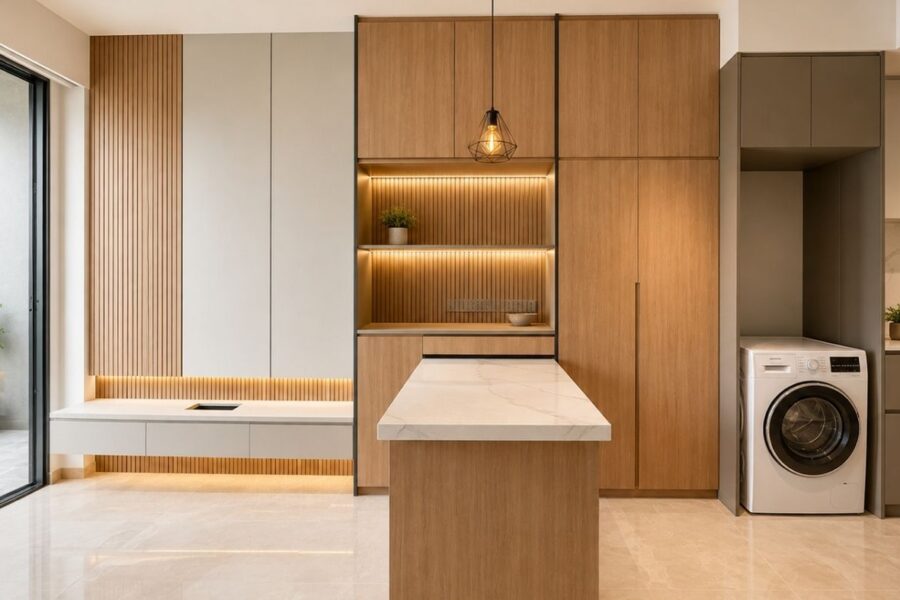
Scandinavian / Japandi. Built around light woods (or wood-look laminate), white and soft neutral walls, minimal ornamentation, and functional furniture. Because the aesthetic celebrates simplicity rather than hiding it, laminate and vinyl finishes fit the style perfectly rather than feeling like a compromise.
Muji-inspired minimalism. Natural tones, exposed practical storage, and an uncluttered layout. This style actively rewards restraint – fewer statement pieces, cleaner lines, and a tight, disciplined colour palette (often just two or three tones throughout the home) that’s inexpensive to execute consistently.
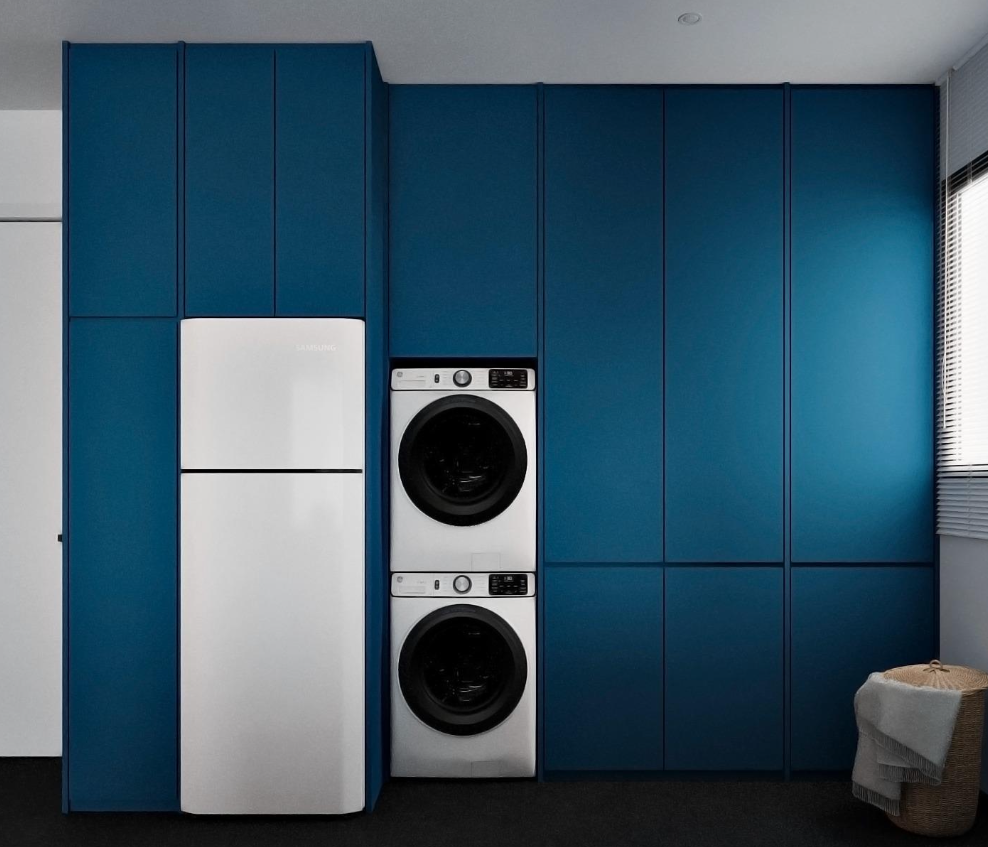
Modern contemporary with a monochrome palette. Black, white, and grey with one accent tone photographs and reads as considered and current, without requiring expensive materials. The “expensive” feeling comes from colour discipline, not spend.
Industrial-lite. Exposed concrete-look surfaces (via affordable microcement-look laminate or paint finishes), black metal accents, and simple pendant lighting. This avoids the cost of extensive carpentry altogether by leaning on fewer, more architectural elements.
Styles that generally need a lavish budget to look right
Full luxury/hospitality style. Marble or marble-look large-format slabs, extensive bespoke joinery, feature walls with intricate mouldings, and layered ambient lighting design. Attempting this on a tight budget with substitute materials often produces the “trying too hard” look this guide opened by warning against – better to choose a style that doesn’t rely on these materials in the first place.
Classic/traditional with heavy detailing. Cornicing, panelled walls, chandeliers, and ornate furniture require both premium materials and specialist craftsmanship that scale poorly with a tight budget.
Maximalist eclectic. Bold wallpaper, layered patterns, and curated vintage or designer furniture pieces depend on a large furniture and styling budget, well beyond core renovation works, to avoid looking cluttered rather than curated.
The practical takeaway: choose a style whose aesthetic logic matches your budget logic. Fighting your budget to chase a style that depends on expensive materials is how “cheap-looking despite spending a lot” happens. Working with your budget by choosing restraint-friendly styles is how “expensive-looking despite spending little” happens.
A Simple Pre-Renovation Checklist
- Set your total budget ceiling, inclusive of a 10–15% contingency
- Get 3 itemised quotations from licensed renovation contractors, not lump-sum figures
- Confirm renovation loan eligibility and quantum with your bank before finalising design
- Identify your one or two “hero” splurge items (a feature wall, a statement light, a solid-wood console) and keep everything else disciplined around them
- Prioritise waterproofing, wiring, and hardware quality over surface-level upgrades
- Choose a design style that’s naturally aligned with restraint – Scandinavian, Japandi, or minimalist contemporary
- Keep your existing layout wherever possible to avoid structural, plumbing, and electrical cost escalation
- Phase furniture and styling purchases after core works are complete
Final Thoughts
A tight renovation budget in Singapore is not a design limitation – it’s a design brief. The homeowners who end up happiest with their renovations aren’t necessarily the ones who spent the most; they’re the ones who understood exactly where their money was going, protected the structural essentials, and chose a style that made their budget work for them instead of against them.
If you’re planning a renovation and want a realistic, itemised quotation based on your actual flat, budget, and priorities – not a generic package price – We have been helping Singapore homeowners and businesses renovate with clarity and craftsmanship for years. Get in touch for a straightforward conversation about what your budget can realistically achieve, and how to make it look like it achieved more.