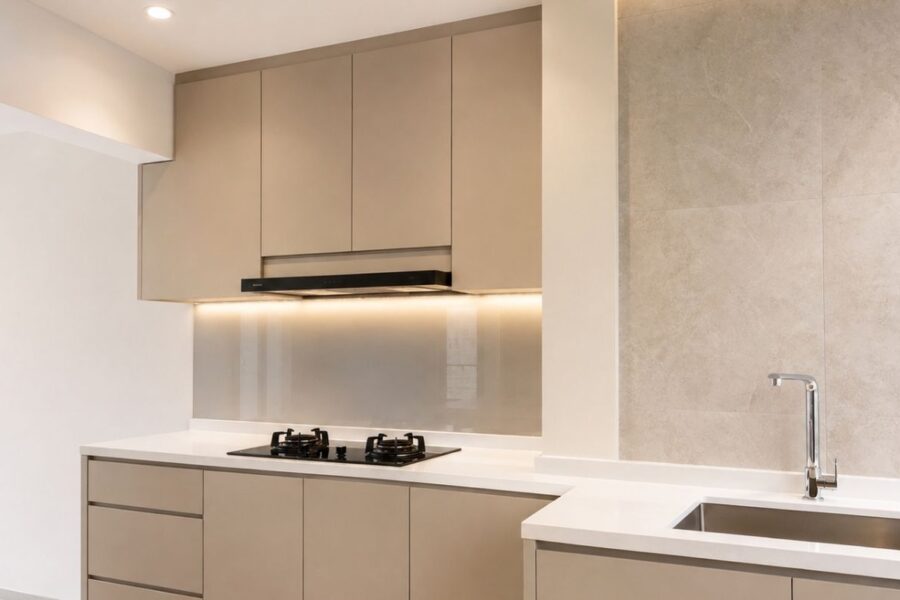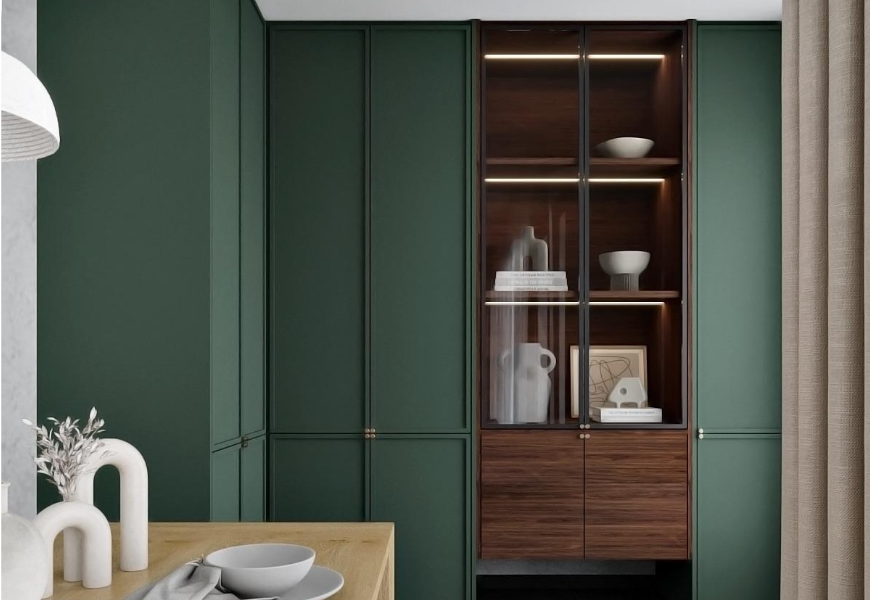
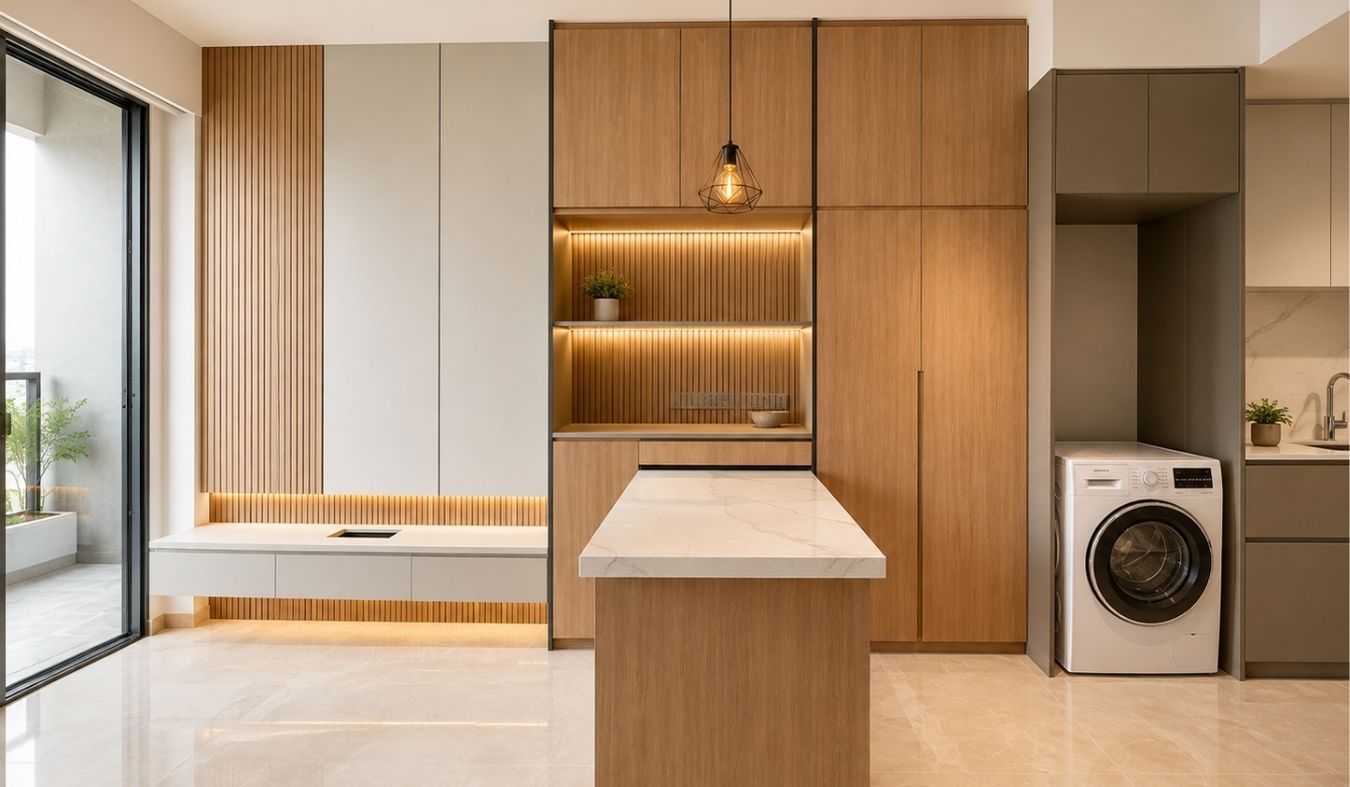
There is no shortage of interior design inspiration in Singapore.
Open Instagram and you will find beautiful homes everywhere. Japandi homes. Minimalist homes. Wabi-sabi homes. Modern luxury apartments. Dark interiors. Curved walls. Fluted panels. Marble. Wood.
And they all look fantastic.
But there is a question we think is more important than “Does it look good?”
Does it work for the people who live there?
Because a home is not a showroom.
It is where you wake up late for work. Where the children leave their toys everywhere. Where someone cooks dinner while another person is doing homework. Where laundry somehow appears faster than it disappears. Where grandparents come over. Where friends gather. Where you have a quiet coffee on a Sunday morning.
It is where life happens.
That is the way we approach home renovation in Singapore.
At Yin Tian’s, we have spent well over 15 years working on homes, renovation projects, carpentry and interior design. We have worked with homeowners across HDB flats, condominiums, landed properties and other residential spaces in Singapore.
Over that time, one thing has become increasingly clear to us:
Good interior design is not about following the latest trend. It is about understanding how someone lives and designing around that.
That sounds simple.
But getting it right takes experience.
A Second Generation Renovation Business
Yin Tian’s did not begin with a fancy showroom or a large marketing department.
It started much more simply.
Our father began by going door to door, giving out flyers and trying to find homeowners who needed renovation work.
One project led to another.
A satisfied customer recommended us to someone else. That customer recommended us to another person.
There were no Instagram reels showcasing completed homes. No renovation portals where homeowners could compare dozens of interior designers in five minutes. No social media campaigns targeting people who had just collected their keys.
There was simply the work.
Do a good job.
Treat the customer properly.
Stand behind what you build.
And hopefully, the customer remembers you when someone they know needs renovation.
That philosophy has stayed with us.
Over the years, we worked with some of the established interior design firms and contractors in Singapore, learning the realities of renovation from the ground up. We also developed our own carpentry capabilities and eventually moved into larger premises as the business grew.
That experience matters.
There is a difference between understanding interior design from a mood board and understanding what happens when that design actually reaches a construction site.
A cabinet needs to fit.
A door needs to open properly.
A kitchen drawer needs enough clearance.
A washing machine needs to remain accessible.
A wardrobe needs enough storage for the people actually using it.
And a beautiful feature wall should not make the television impossible to watch from the sofa.
These things sound obvious.
Yet they are precisely the details that determine whether a home renovation is genuinely successful.
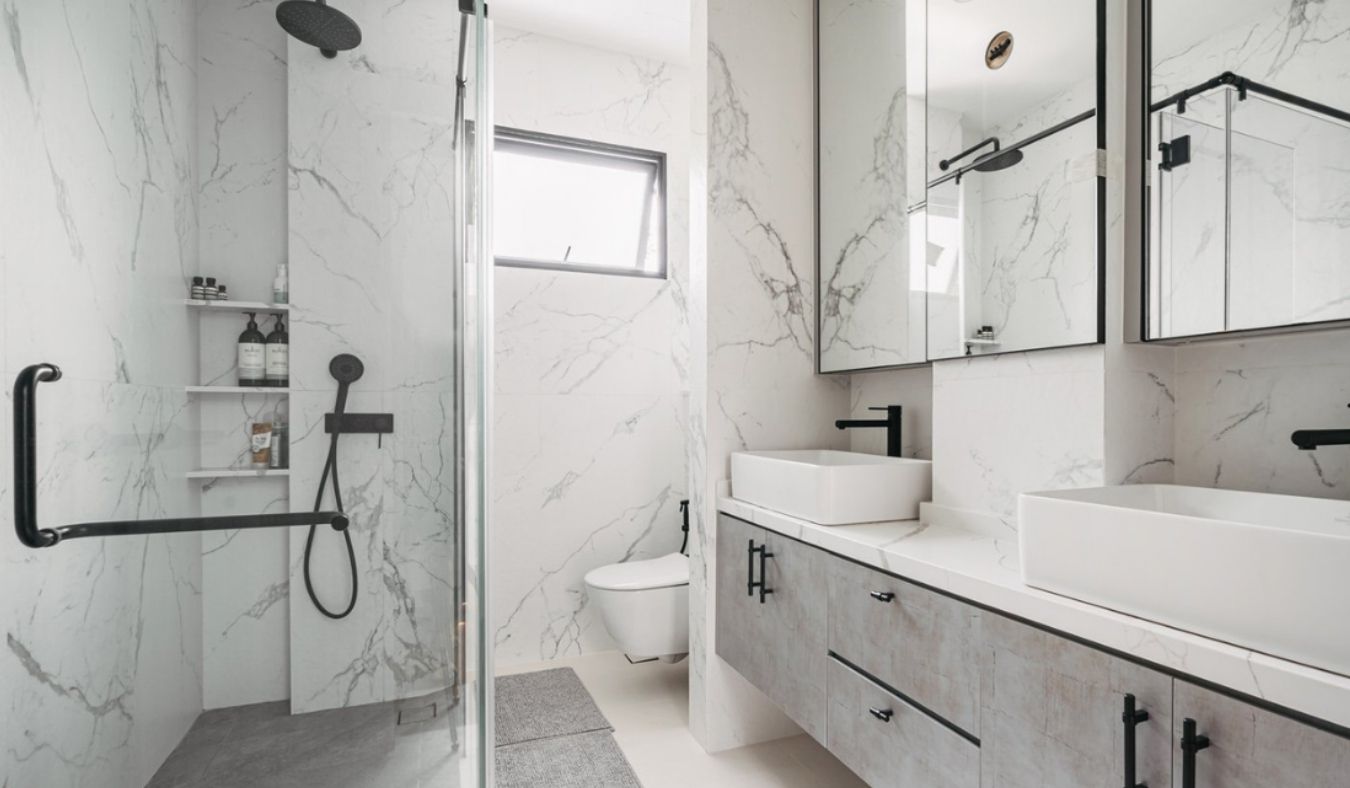
We Do Not Design Homes Just for Instagram
This is one of the biggest differences in how we think about residential interior design in Singapore.
We like beautiful homes.
Of course we do.
We are interior designers.
But we do not believe that every home needs to look like the latest interior design trend.
Trends come and go.
Your renovation bill does not.
A fluted feature wall might be everywhere today. In a few years, something else will be everywhere.
That does not mean you should avoid trends completely. If you love a particular style, by all means, use it.
But we believe the foundation of a home should be something more permanent:
Function. Comfort. Practicality. Quality.
If a homeowner loves a minimalist home, we want to understand why.
Is it because they genuinely prefer a clean environment?
Do they need more concealed storage?
Do they work from home and need a calmer environment?
Do they have young children and want fewer exposed surfaces?
Or do they simply like a picture they saw online?
Those are very different starting points.
The same applies to a luxurious-looking home.
Sometimes homeowners do not actually need expensive finishes everywhere. They need better planning.
A well-designed wardrobe can make a bedroom feel more spacious.
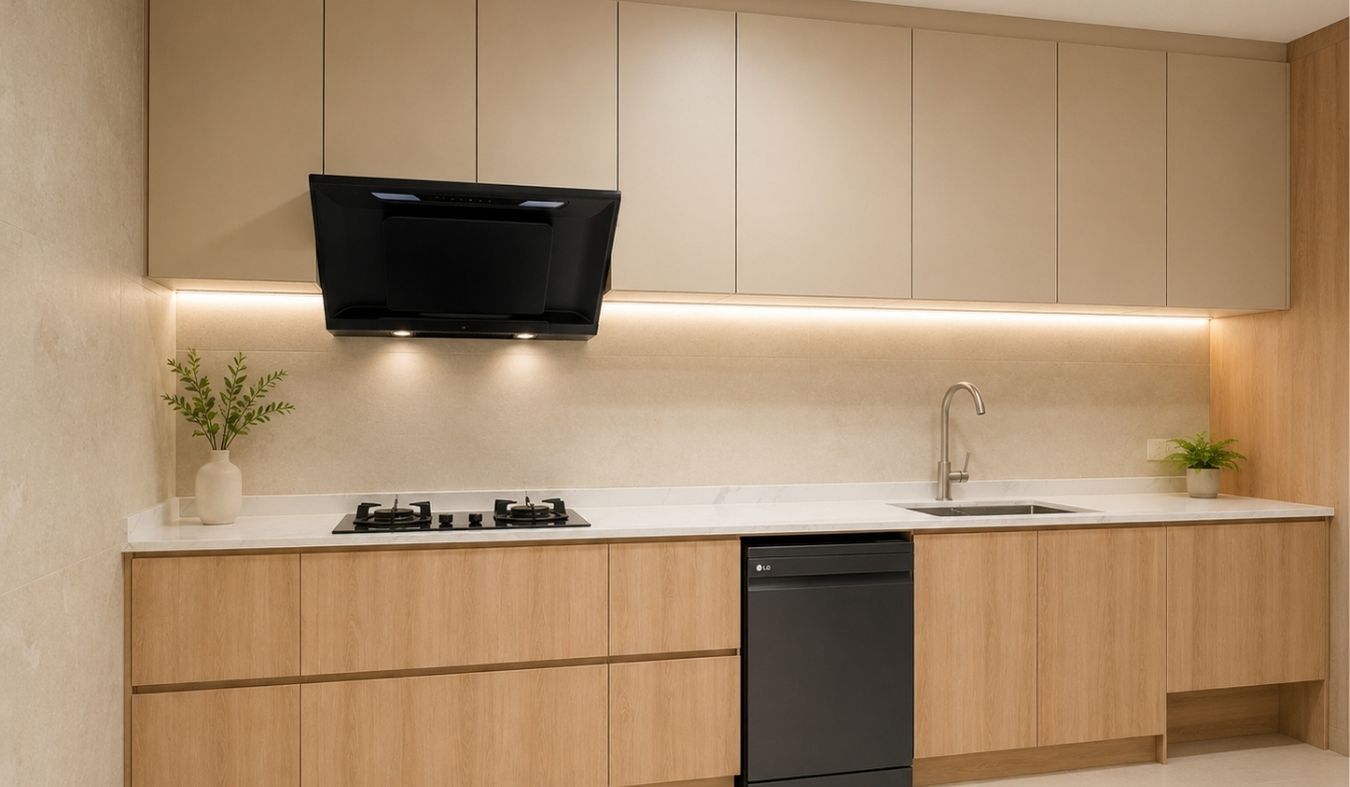
A properly planned kitchen can make cooking significantly easier.
A smart storage solution can eliminate clutter without making the home feel like it has been filled with cabinets.
Good design does not always mean adding more.
Sometimes it means knowing what to remove.
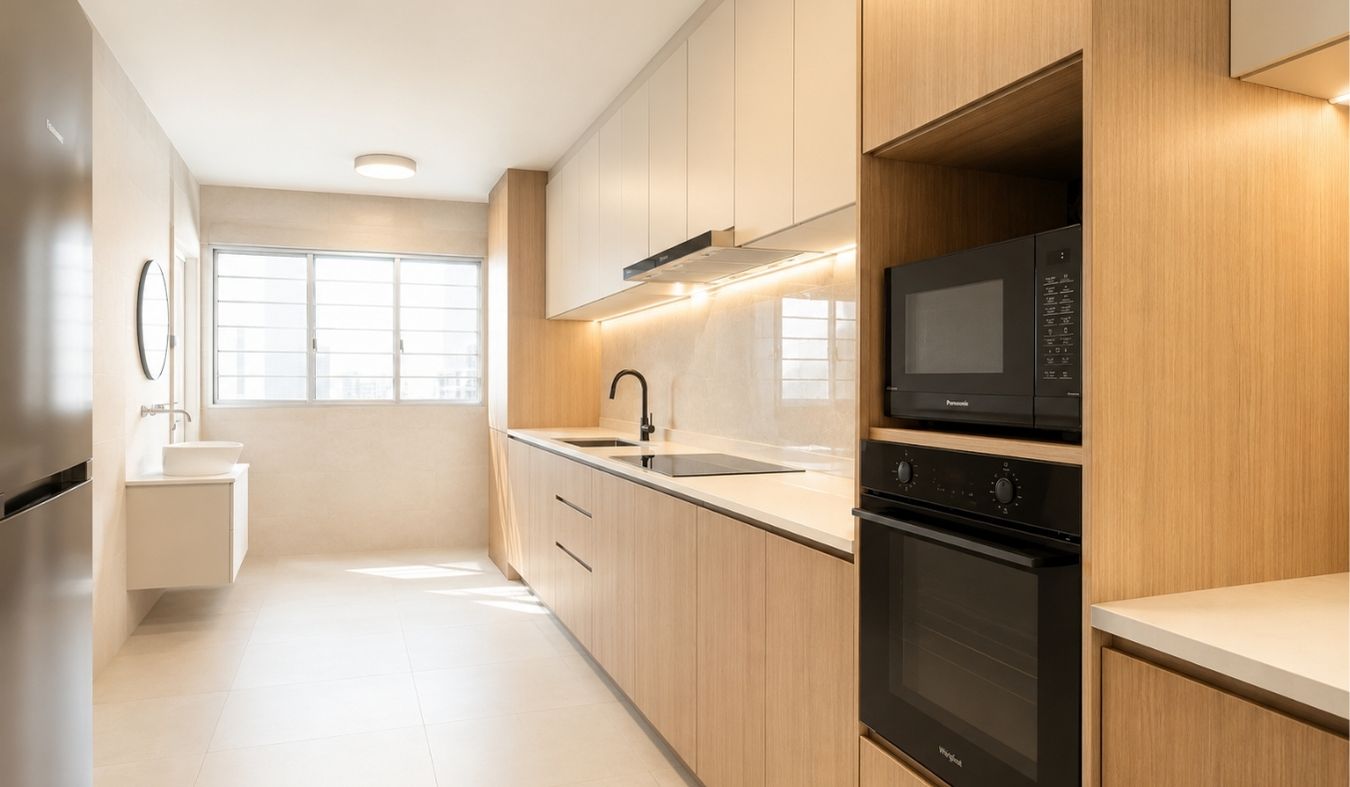
HDB Renovation: Making Every Square Metre Count
For many Singapore homeowners, HDB renovation is a particularly interesting challenge.
Space is valuable.
Every square metre has a job to do.
The challenge is not simply making a smaller home look bigger. It is making the home function better without making it feel cramped.
That requires careful space planning.
Where should the dining table go?
How much kitchen counter space does the family actually need?
Should a bedroom have a full-height wardrobe?
Is a study room really needed, or would a flexible workspace work better?
Can storage be incorporated into an otherwise unused area?
Should a wall be removed?
Should it remain?
These are design decisions that should be made based on the homeowner’s lifestyle rather than because a particular layout is currently popular.
A family with two young children may need very different solutions from a couple who works from home.
A homeowner who cooks every day will have very different kitchen requirements from someone who mostly eats outside.
Someone who collects books, sports equipment or musical instruments will have different storage needs from someone who lives a more minimalist lifestyle.
That is why we believe there is no single formula for HDB interior design.
The right design is the one that makes sense for the people living in that particular flat.
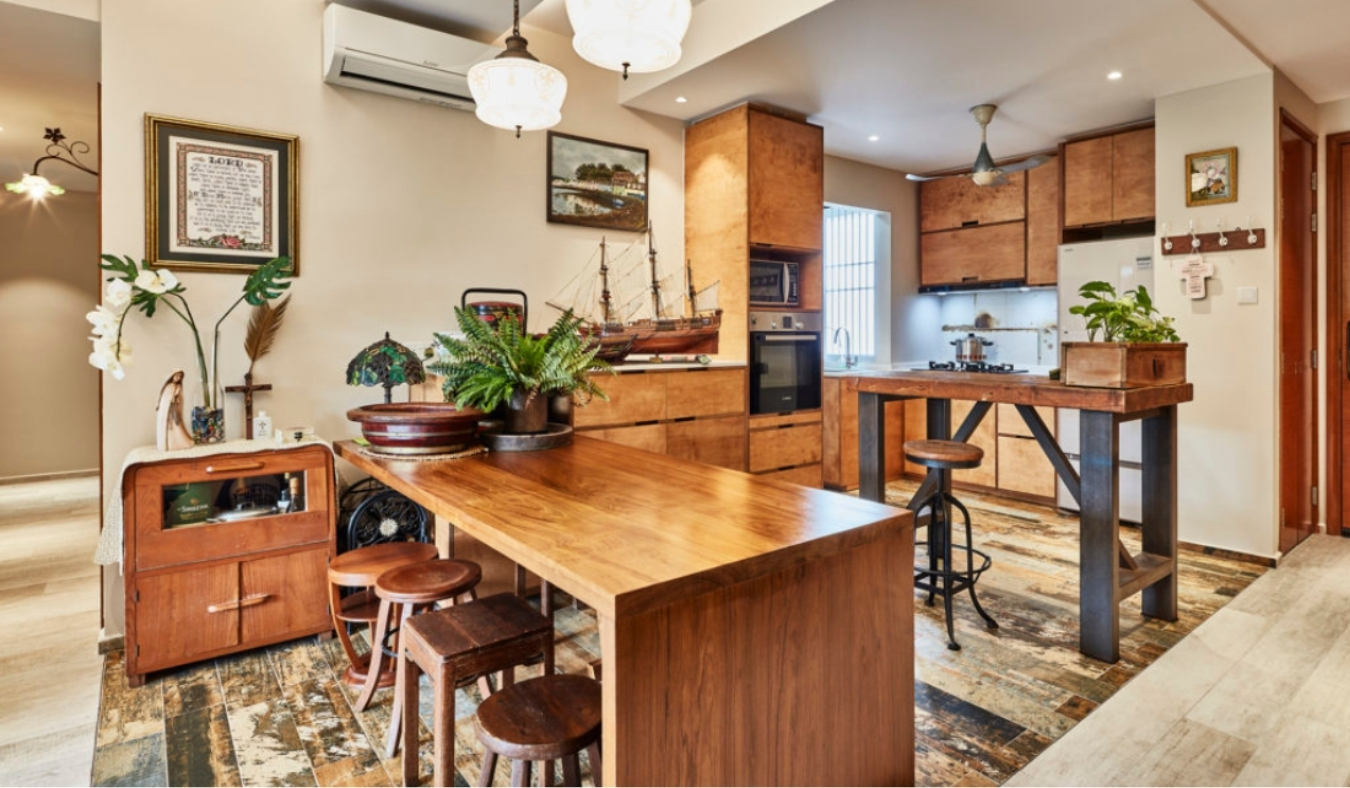
Condo Interior Design: Working With the Space You Already Have
Condo interior design comes with its own set of challenges.
Unlike an empty canvas, an existing condominium unit already has structural constraints, plumbing positions, windows, columns, air-conditioning requirements, management rules and other considerations.
The temptation can be to make the space look impressive.
But sometimes the best design decision is not the most dramatic one.
It might be improving the circulation between the kitchen and dining area.
It might be creating better storage without making the living room feel heavy.
It might be creating a more comfortable master bedroom.
It might be using consistent materials throughout the home so that the space feels more cohesive.
Or it might simply be improving the lighting.
Good condo interior design in Singapore should take advantage of the characteristics of the existing property instead of fighting against them.
We look at the architecture, the natural light, the views, the layout and, most importantly, the people who will live there.
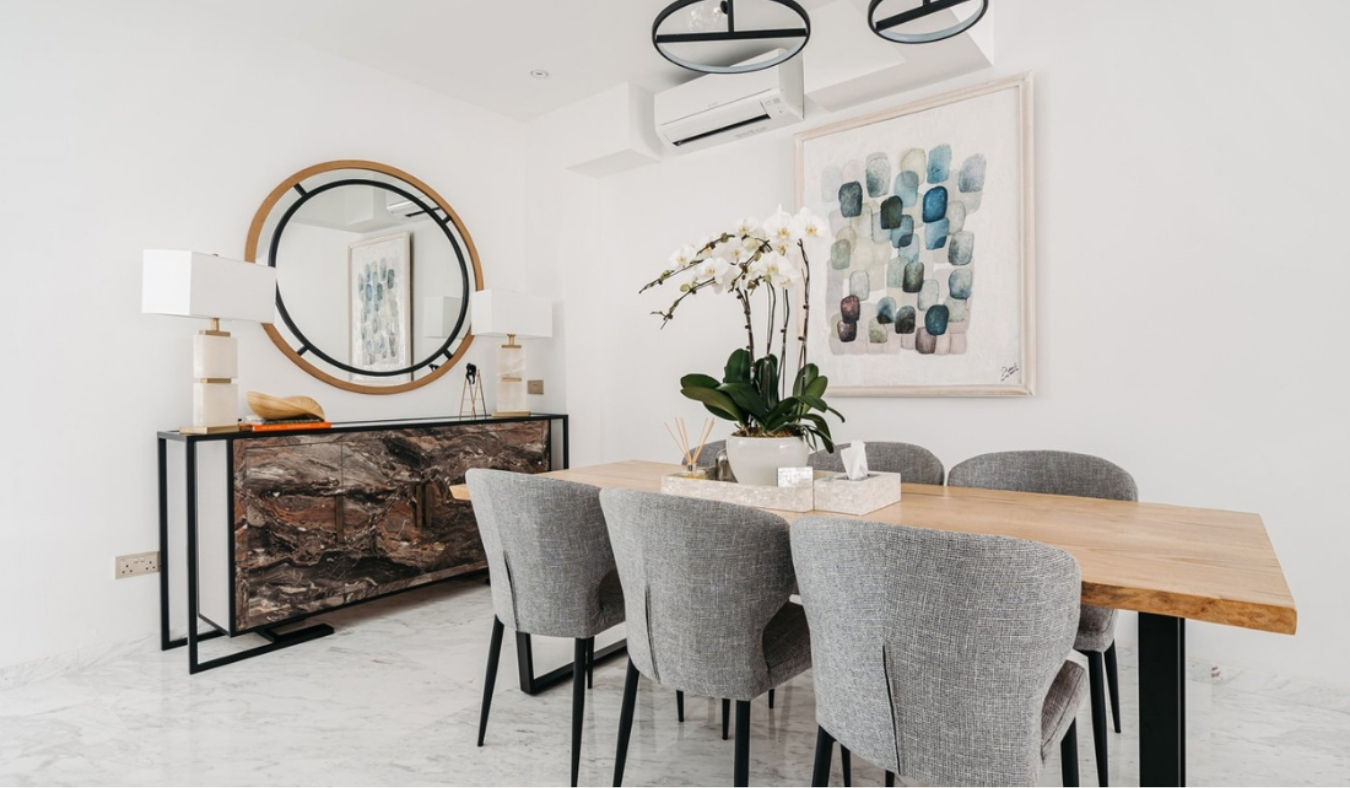 Landed Home Renovation Requires a Different Approach
A landed home gives you more space.
But more space does not automatically mean easier design.
In fact, a landed house renovation can be significantly more complicated.
There may be multiple floors, different family zones, staircases, larger kitchens, outdoor areas, multiple bedrooms, home offices and more extensive storage requirements.
There is also the question of how the entire house connects.
The ground floor might be designed for entertaining.
The upper floors might be more private.
A home office might need to be separated from the children’s bedrooms.
The kitchen might need to accommodate a family that cooks frequently.
A landed home may also evolve over time.
Children grow up.
Parents may eventually move in.
A spare bedroom may become a study.
A study may become a bedroom.
That is why we think about long-term functionality, rather than designing only for the first few months after renovation.
A home should have room to evolve with its owners.
Interior Design Should Start With Questions
Before we think about colours, materials or feature walls, we want to understand the homeowner.
How do you live?
How many people live in the home?
Who cooks?
How often do you entertain?
Do you work from home?
Do you have children?
Do you have pets?
What do you own?
What do you wish you had more storage for?
What frustrates you about your current home?
What do you like?
What do you hate?
What would you change if you could?
These questions might not sound particularly glamorous.
But they are where good home interior design begins.
A beautiful kitchen that does not have enough storage is not good design.
A wardrobe that looks fantastic but cannot accommodate the owner’s clothes is not good design.
A living room that photographs beautifully but has nowhere comfortable to sit is not good design.
A home office that looks impressive but is too close to the television to allow anyone to concentrate is not good design.
Design is problem solving.
The aesthetics come after that.
Good Carpentry Makes a Big Difference
One of the things that has shaped the way we work is our experience with carpentry.
Custom carpentry is a major part of residential renovation in Singapore.
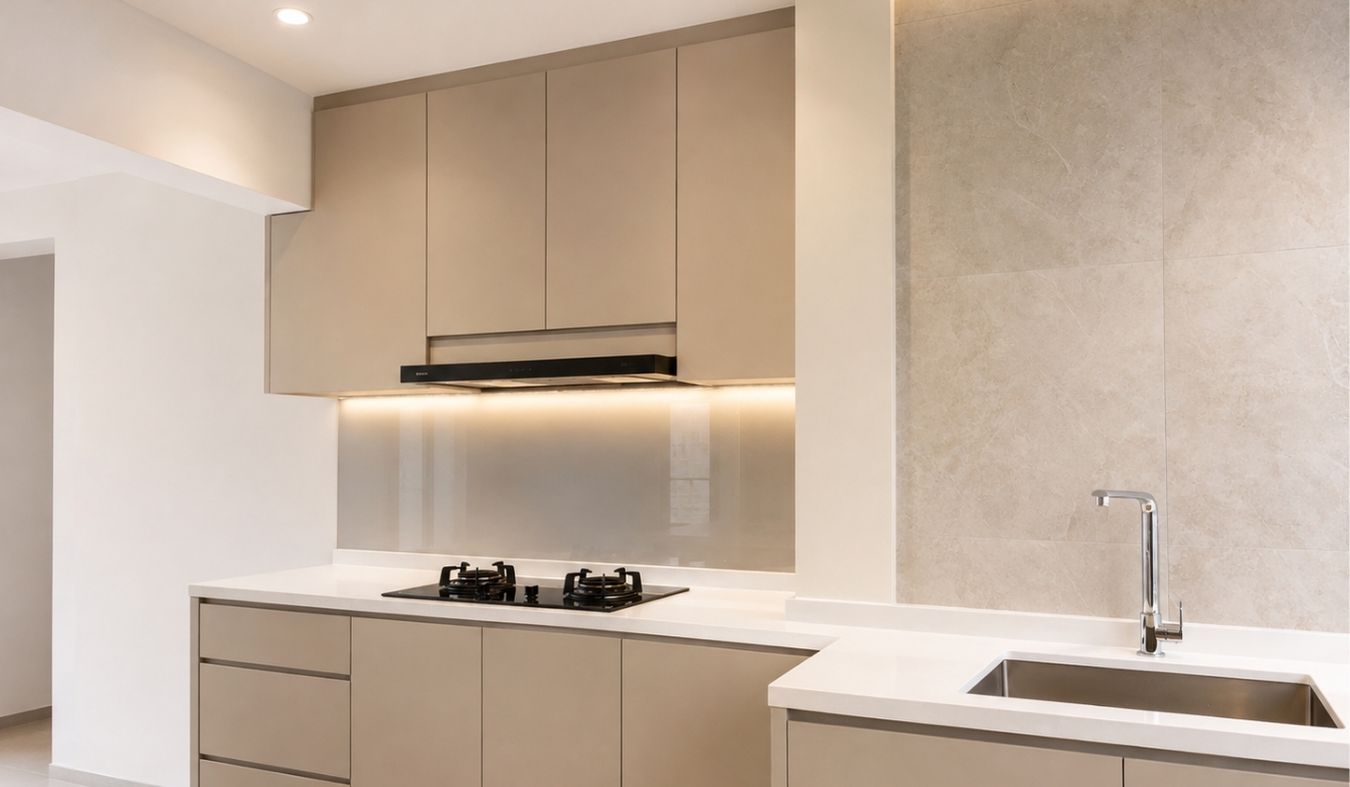
Wardrobes, kitchen cabinets, TV consoles, study tables, storage systems and built-in furniture all have to work with the dimensions of the home.
This is one reason we believe in doing things in-house wherever possible.
Our carpentry capabilities allow us to have greater control over the design, fabrication and quality of custom furniture.
That matters because communication is easier when the people designing and building are part of the same team.
There are fewer opportunities for:
“I thought you meant this.”
“The drawing says something else.”
“The carpenter interpreted it differently.”
“We cannot build it that way.”
When the designer understands how something is going to be fabricated, the design can be more realistic from the beginning.
And when the people building the carpentry understand the design intent, there is less room for things to get lost along the way.
Renovation Is More Than Just the Design
One misconception about hiring an interior designer is that the biggest decision is choosing the design style.
It is not.
The design is only one part of the renovation.
There is project management.
There is carpentry.
There are electrical works.
Plumbing.
Painting.
Tiling.
Ceiling works.
Air-conditioning.
Lighting.
Appliances.
Material selection.
Site coordination.
Measurements.
Scheduling.
And, depending on the property and scope of works, approvals and submissions.
A renovation can look simple from the homeowner’s perspective.
But behind the scenes, there are many moving parts.
That is why experience matters.
A designer who has been involved in actual renovation projects understands that what looks straightforward on a computer screen may become complicated on site.
An experienced team learns to identify those issues earlier.
That can save time, money and frustration.
Premium Does Not Have to Mean Excessive
We believe in delivering a premium renovation solution.
But premium does not mean putting the most expensive material everywhere.
It means paying attention to the things that matter.
Better workmanship.
Better detailing.
Better planning.
Better materials where they actually make a difference.
Better communication.
Better after-sales support.
A premium home should not simply be expensive.
It should feel considered.
The kitchen should feel natural to use.
The bedroom should feel comfortable.
The storage should make sense.
The lighting should work at night.
The finishes should be appropriate for the way the home is used.
And five years later, the homeowner should still feel that the decisions made during renovation were sensible.
That is a much better measure of quality than whether the home was fashionable when it was photographed.
Quality Control Starts Before Construction
One of the advantages of having design and carpentry capabilities in-house is greater control over the process.
Our approach is to resolve as much as possible before construction begins.
Measurements.
Layouts.
Materials.
Carpentry details.
Storage requirements.
Electrical points.
Lighting positions.
Appliance requirements.
The fewer major decisions that need to be made halfway through renovation, the smoother the project generally becomes.
It also helps homeowners understand what they are paying for.
We believe renovation quotations should be clear.
If something changes, it should be discussed.
If there is a variation, the homeowner should understand why.
There should not be unnecessary surprises appearing halfway through a renovation.
What Happens After You Hand Over the Keys?
For some renovation companies, handover is the finish line.
For us, it is not.
Our belief has always been that the relationship with a homeowner should continue after the renovation is completed.
Sometimes you only discover something after living in a home for a while.
Perhaps a cabinet needs a minor adjustment.
Perhaps something needs a touch-up.
Perhaps you have a question about something that was installed months ago.
That is why after-sales service and lasting warranty support are important parts of our philosophy.
We want homeowners to know that we remain accountable after the project is completed.
Why Referrals Still Matter to Us
We grew through referrals long before digital marketing became part of the renovation industry.
And we still believe it is one of the best ways to build a business.
If someone renovates their home with us and later tells their sibling, colleague, neighbour or friend:
“You should speak to them. They did our place.”
That is meaningful.
Because a homeowner has experienced the entire process.
Not just the final photographs.
They have experienced the communication.
The workmanship.
The problem solving.
The project management.
The little things that happen during renovation.
And whether the company was still there after the keys were handed over.
That is the reputation we want to build.
A company website can tell you what we do.
A beautiful photograph can show you what we can create.
But a referral tells us that we did something right.
We Have Seen the Industry Change
The renovation industry has changed significantly since our father first started the business.
The way homeowners discover designers has changed.
Technology has changed.
Materials have changed.
The way people work has changed.
And, of course, the way people think about their homes has changed.
COVID was another major chapter for us.
Like many businesses, we were hit by circumstances that nobody could have predicted.
Projects were disrupted.
The construction industry faced uncertainty.
Homeowners had to rethink their plans.
It was not easy.
But it reinforced something we already believed:
A business built only around the good times will struggle when things become difficult.
We kept going.
And today, we are still here.
Still designing.
Still renovating.
Still building.
Still learning.
And still working with homeowners who want a home that works for their lives.
A Home Should Age Well
We do not expect a home to look exactly the same forever.
People change.
Families change.
Needs change.
That is normal.
What we want is for the foundation of the renovation to remain useful.
A kitchen that continues to function.
Storage that continues to be practical.
Materials that continue to hold up.
A layout that does not become frustrating.
A home that can adapt.
This is why we tend to favour timeless design over design that is heavily dependent on whatever happens to be popular at the time.
Neutral colours.
Natural materials.
Good proportions.
Clean lines.
Smart storage.
Practical lighting.
Quality carpentry.
These are not particularly revolutionary ideas.
But they work.
And sometimes the best interior design is not about doing something revolutionary.
It is about doing the fundamentals extremely well.
Choosing an Interior Designer for Your Singapore Home
If you are currently comparing interior designers in Singapore, we would suggest looking beyond the portfolio.
A portfolio is important.
But ask questions about what happens behind those photographs.
- Who will actually manage your project?
- Will you deal with one designer or multiple people?
- Is carpentry handled in-house?
- How are variations handled?
- What happens when something goes wrong?
- How transparent is the quotation?
- What kind of after-sales support is provided?
- Does the designer understand construction?
- Does the designer listen to how you actually live?
Most importantly, choose an interior designer who understands your lifestyle and can explain why a particular design works for your home.
Why Yin Tian’s Takes a Different View of Home Renovation
We are not trying to be the interior design company for everyone.
Our approach is relatively straightforward.
We want to create premium, functional homes that fit the people living in them.
We want good design without unnecessary complexity.
We want quality workmanship.
We want control over our carpentry.
We want clear communication.
We want to remain accountable after the renovation.
And we want our customers to be happy enough to recommend us to someone they know.
That philosophy has remained remarkably consistent despite everything that has changed around us.
From our father’s early days of handing out flyers door to door, to working alongside established interior design firms, to building our own carpentry capabilities, moving into larger premises, navigating COVID and continuing to grow the business, the tools have changed.
The principle has not.
Do good work.
Build things properly.
Treat people fairly.
Create homes that people can actually live in.
Home Renovation Is an Investment in How You Live
When people talk about renovation costs, they often focus on the dollar amount.
And of course, budget matters.
But renovation is also an investment in your everyday life.
You will use that kitchen thousands of times.
You will open those wardrobe doors every morning.
You will sit on that sofa after a long day.
Your children will grow up in those bedrooms.
You will have dinners, birthdays, celebrations and ordinary Tuesday nights in that living room.
That is why we think a renovation should be designed around life, not just appearance.
The best home is not necessarily the one that gets the most likes online.
It is the one where you walk through the door after work and feel comfortable.
The one where everything has a place.
The one where the kitchen works.
The one where the lighting feels right at night.
The one where there is enough storage.
The one that makes sense.
The one that still feels like your home five, ten or fifteen years later.
That is what we mean when we talk about functional interior design.
Looking for Home Renovation in Singapore?
Whether you are planning an HDB renovation, condominium renovation, landed house renovation or a complete residential interior design project, the starting point should always be the same:
Understand the people. Understand the space. Then design the home.
At Yin Tian’s, our approach combines interior design, renovation execution and in-house carpentry to give homeowners one team from design through to completion.
We are proud of where the business came from.
We are even more interested in where it is going.
But we do not want to lose the reason the business existed in the first place.
A homeowner needed someone to renovate their home.
We said we would do it.
So we did.
And after all these years, that is still what we are here to do.
Not just to design beautiful homes.
To build homes that work.
Frequently Asked Questions About Home Renovation in Singapore
How much does home renovation cost in Singapore?
The cost of a home renovation varies significantly depending on the property type, size, condition, design requirements, carpentry, materials and extent of renovation works.
An HDB renovation, for example, can have very different requirements from a landed property renovation. A condominium may also have management requirements and restrictions that affect the renovation scope.
Rather than focusing purely on a headline renovation price, homeowners should look at the complete scope of works, materials, workmanship, carpentry and project management included in the quotation.
How do I choose an interior designer in Singapore?
Start by looking beyond photographs.
Ask about the designer’s renovation experience, project management process, carpentry capabilities, communication, quotation structure, workmanship and after-sales support.
Most importantly, choose an interior designer who understands your lifestyle and can explain why a particular design works for your home.
What is the difference between an interior designer and a renovation contractor?
An interior designer focuses heavily on space planning, design, materials, functionality and aesthetics, while a renovation contractor focuses primarily on executing construction works.
Many homeowners prefer working with a company that can manage both sides of the process.
An integrated team can make communication and coordination easier because the design and construction teams are working towards the same outcome.
Is HDB renovation different from condo renovation?
Yes.
HDB renovation may involve specific requirements and approvals, while condominium renovations can be subject to the individual development’s management rules, working hours, renovation deposits and other restrictions.
The design approach can also differ depending on the layout, age and characteristics of the property.
Is it better to have carpentry done in-house?
There can be significant advantages to having carpentry capabilities in-house.
It gives an interior design and renovation company greater control over fabrication, quality, dimensions, materials and scheduling.
It can also make communication between the designer and carpenter more direct, particularly when custom furniture is a significant part of the renovation.
Should I follow current interior design trends?
Only if you genuinely like them.
Trends can be incorporated into a home, but we recommend making the fundamental decisions such as layout, storage, functionality, lighting and materials based on how you intend to live in the home.
A home should not become outdated simply because a particular trend has disappeared.
How important is after-sales service?
Very.
Renovation is a major investment, and homeowners should know what happens after handover.
A good renovation company should have a clear process for handling defects, adjustments, touch-ups and follow-up questions after the project has been completed.
The Yin Tian’s Approach
Design around your lifestyle.
Build with care.
Keep quality in-house.
Create homes that last.
That has been our approach for more than 15 years.
And it is still the approach we believe in today.