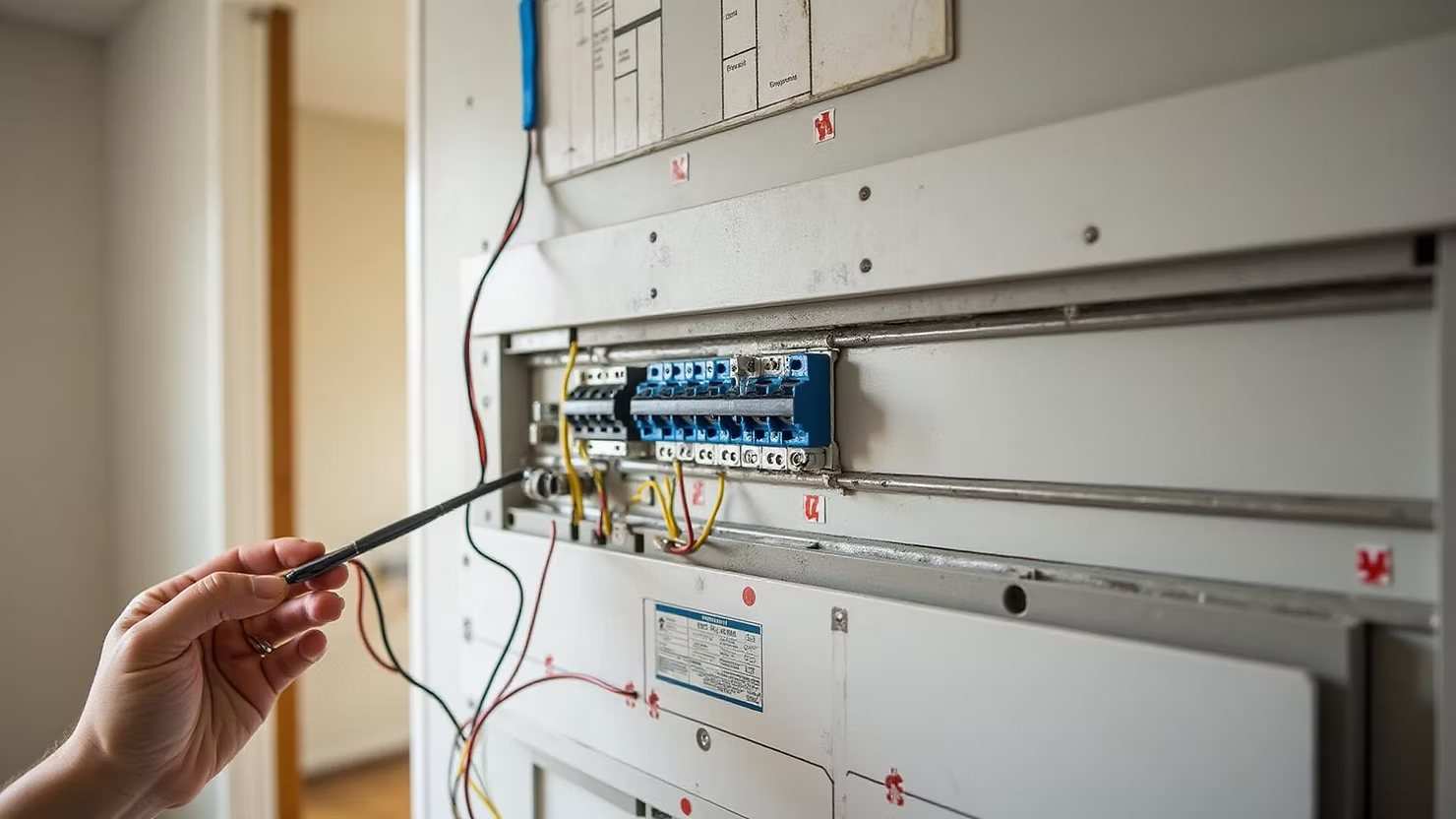
Image of Circuit Breaker
Imagine spending thousands of dollars on your dream home… Only for it to disappear overnight… This was exactly what happened to a Punggol Flat last year on Jan 26. Investigations by SCDF said that the cause of the fire was found to be due to an electrical hazard in a bedroom which was caused by negligence & poor workmanship by a contractor. Source: https://www.straitstimes.com/singapore/one-person-taken-to-hospital-60-evacuated-after-fire-breaks-out-in-punggol-flat Safety is one thing that we cannot take shortcuts with… So here are some ways on how you can protect not just yourself but also your loved ones from Electrical Hazards…
Understanding the Risks
During home renovations, many homeowners focus on aesthetics like feature walls, lighting designs, or built-in carpentry. But they forget that behind the walls of these aesthetics, runs a complex network of wires that helps to power your home. When properly installed and maintained, this system keeps your appliances running smoothly and your loved ones safe.
However, if electrical work is not done properly, you may end up with:
- Overloaded circuits that will cause wires to overheat
- Loose/exposed connections sparking short circuits
- Low quality materials failing under high current
- Poor grounding leading to electric shocks or fires
In Singapore, electrical work is regulated by the Energy Market Authority (EMA), which requires that all electrical installation and modification work be carried out by licensed electrical workers (LEWs). This ensures that wiring and circuit installations meet national safety standards — giving homeowners a peace of mind that everything is done correctly and safely.
Why Electrical Planning Deserves Early Attention?
Homeowners often miss out on proper electrical planning as it should happen before the renovation begins. With proper planning, you can prevent issues like messy wiring layouts and inconvenient switch placements later on. But what does a good electrical plan look like?
A good electrical plan have ACES:
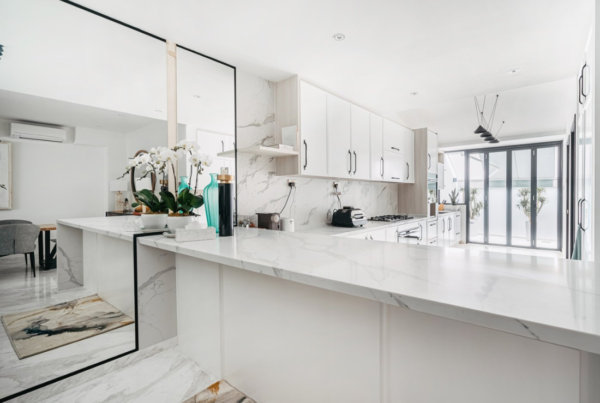
- Aesthetics: Allows wires to be concealed neatly, maintaining a clean and modern design
- Convenience: Sockets, switches and light points should be strategically placed where they are the most practical
- Efficiency: Energy-saving layouts that minimise any unnecessary rewiring later
- Safety: All wiring is sized correctly and circuits are properly grounded
Just by having a thoughtful discussion with your interior design or licensed electrician which will help you in the long run by avoiding any additional costs to install additional switches, sockets or even rewire.
What Singapore Homeowners Often Miss
One concerning matter is that many homeowners overlook the amount of “high-load” appliances during the planning phase. Some examples of “high-load “appliances include: built-in ovens, water heaters, washers and dryers, air conditioners, and larger refrigerators. These appliances will consistently draw large amounts of current and if not properly accounted for, can easily overload the wiring causing frequent circuit tripping, or worse, lead to overheating. As much as homeowners may overlook the amount of “high-load” appliances in the planning phase, homeowners also tend to underestimate the amount of sockets for everyday things like a TV and a couple of chargers. This is also arguably one of the biggest blindspots in renovation projects as homeowners do not factor in how many devices and appliances they will realistically use and where. Homeowners may end up adding more devices and appliances to a socket and as time goes by, leading to a potential electrical hazard. For example a kitchen counter often ends up crowded with multiple high-draw appliances (air fryer, coffee machine, blender, kettle) all competing for a limited number of outlets. Without enough dedicated sockets, people resort to using multi-plug adaptors or extension cords, leading to clutter and overloaded circuits which is a common cause of overheating and fire risk.
Electrical Planning Checklist for Homeowners
To make sure that you have everything in check, here is a simple checklist for Electrical Safety…
Before Renovation:
- Identify your appliance needs: List out your current + future appliances so that your electrician can plan enough circuits and sockets.
- Plan socket locations: Match sockets to the furniture layout (TV, bed, study desk, kitchen counter). Include hidden sockets inside the cabinets if needed.
- Check electrical loading limits: Check if your HDB/condo can support high-load appliances and whether the DB box requires upgrading.
- Plan dedicated circuits: For ovens, water heaters, washer/dryer, aircon, and large fridges to prevent overload.
- Hire a Licensed Electrical Worker (LEW): The electrician will ensure all wiring and DB works are safe and properly endorsed.
During Renovation:
- Verify wiring routes: Ensure trunking and conduits are placed correctly before hacking or carpentry is sealed up.
- Ensure high-load appliances have dedicated circuits: Double-check your DB box layout with the electrician.
- Confirm RCCB and MCB protection: All circuits should be protected by the RCCB, with correct breaker ratings.
- Check lighting and switch positioning: Test if switches are placed logically and lighting points match the ceiling plan.
After Renovation:
- Test all sockets, switches, and lighting: Run a practical test (e.g., use multiple kitchen appliances at once).
- Test the RCCB: Press the “TEST” button to confirm it trips and resets properly.
- Collect all documentation: Request the wiring diagram, DB schedule, load calculation, LEW endorsement, and HDB approvals.
- Maintain regularly: Test the RCCB monthly, avoid overloading adaptors, and monitor sockets for heat or discoloration.
Electrical planning may not be the most colourful part of your home renovation but it is one of the most important parts when it comes to safety. A simple discussion with your ID or electrician will help you achieve the most efficient layout suitable for your lifestyle needs while keeping you and your loved ones safe. Share this article with your friends or family so that they too are aware about efficient Electrical Planning!